Flooring permits and sound control in Miami Beach
The Miami Beach Building Department's Flooring Permit Affidavit (revised February 2023) says all commercial properties, including condominium units, must obtain a permit for flooring, and it names tile, wood, and marble. The submittal includes the affidavit, the soundproofing maker's literature showing an assembly value that complies with the Florida Building Code, and a floor plan marking the work area. The form states that a soundproofing inspection is mandatory in the city, and that flooring on balconies, terraces, porches, bathrooms, and lobbies goes through trade plan review.
For a tile floor, that changes the order of decisions. The underlayment is selected before the tile, its product data goes into the permit, and the schedule leaves room for the inspection before tile covers it. Your association may also have its own sound-control standard, so ask for it in writing and we will build the floor assembly around whichever requirement is stricter. This is planning guidance, not legal advice; confirm current requirements with the Building Department.
Work hours, flood exposure, and historic districts
Construction hours
The city's noise control rules (Sec. 46-156) allow construction noise in residential zones from 8:00 a.m. to 6:00 p.m. on weekdays and from 10:00 a.m. to 4:00 p.m. on Saturdays, with none on Sundays or national holidays. Commercial and mixed-use zones have longer hours. A six-hour Saturday window is short for demolition, so we plan the loud steps for weekdays and keep Saturdays for quieter work, within your building's own rules.
A low-lying coastal city
The City of Miami Beach describes itself as a low-lying coastal city that is vulnerable to flooding. Its flood protection page suggests choosing materials such as tile flooring rather than wood because they resist water damage. The same page explains the 50 percent rule: if a house in a flood zone is improved or damaged beyond half of its building market value, the lowest floor has to be raised to the current elevation requirement. If your tile work is part of a larger remodel, ask the Building Department early how the rule applies to your property.
Ground-floor patios and other outdoor tile also need to shed water before it sits in the joints; our guide on exterior tile drainage covers why slope matters.
Historic districts
The city's Planning FAQs list 14 local historic districts, and the city's architecture page says those districts include over 2,600 buildings, about 70 percent of them contributing. Modifications to buildings in a district are reviewed under Certificate of Appropriateness criteria, issued by the Historic Preservation Board or Planning staff. The FAQ does not single out interior work, so if your building is in a district, ask Planning or your association whether your tile scope needs anything before permits.
Condo units, older buildings, and houses
- Condo units in towers and mid-rise buildings: plan the permit, the sound-control underlayment, elevator bookings, and hallway protection together. Bathrooms and balconies get extra plan review under the flooring affidavit.
- Apartments in older buildings inside historic districts: older slabs and walls may not be flat enough for large-format tile without preparation. We note that preparation as its own line on the quote.
- Single-family houses: tile is a common choice for water resistance, but it is only one layer. Setting materials, grout, and transitions at doors also matter in a flood-prone setting.
Services that fit Miami Beach properties
Browse all of our services or see real installations in the gallery. These are the closest fit for the property types above:
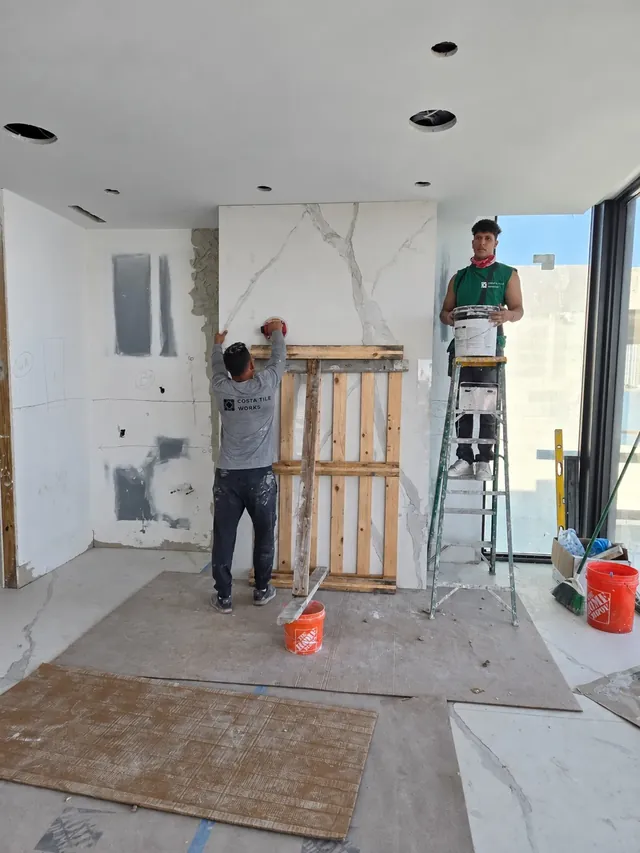
- Condo tile installation built around association approvals, sound underlayment, and building access.
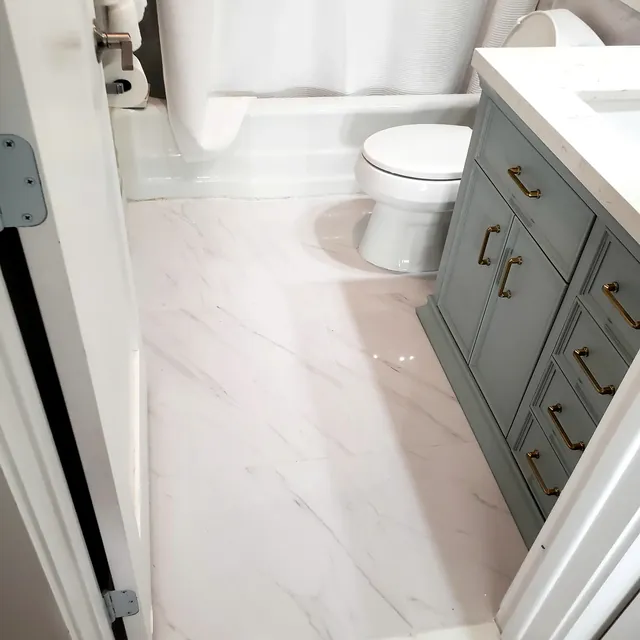
- Bathroom tile installation for full condo and house bathroom remodels.
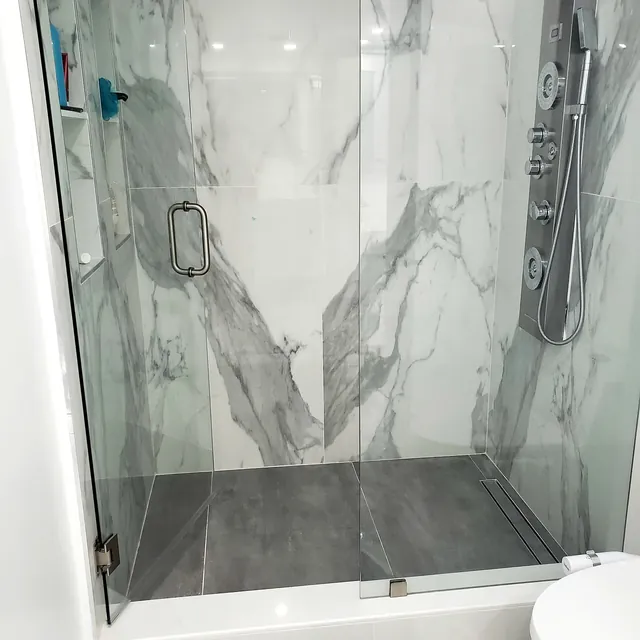
- Shower tile installation, where every tiled shower needs a continuous waterproofing assembly and the quote names which trade provides each layer.
- Designer tile brands we install, including Clé, Zia, Fireclay, and Granada, when you want a specific collection.