
Tile guides
Tile installation guides, sourced from the standards
Short notes on the questions that decide how a tile job goes: substrate, mortar, grout, showers, slip ratings, and what a written quote should spell out.
Edges
1 noteLippage is an edge-height question. The note below stays with that measurement.
Bond
1 noteA hollow tap and a loose tile are not the same finding.
Layout
1 noteDry layout is a planning step before adhesive is mixed.
Substrate
5 notesThese notes separate deflection, cure, existing finishes, and sheet panels.
Mortar
2 notesA mortar bed and a thinset coat do different jobs.
Membranes
2 notesCrack isolation and a cleavage membrane move in opposite ways.
Movement
3 notesJoints, tenting, and reflective cracks are different stress paths.
Grout
6 notesWidth, color, cleaning, residue, epoxy, and cracks are separate grout questions.
- Cracked floor grout often starts with movement
- Grout joint width is a choice, not one required size
- Blotchy grout color is usually a mixing or washing problem
- Cement grout is cleaned with alkaline cleaner, not acid
- White grout residue is often minerals left by evaporating water
- Epoxy grout is not the same as epoxy-emulsion grout
Wet areas
2 notesA shower backing question is not the steam-room vapor question.
Exterior
3 notesDrainage, frost ratings, facade size, and pavers are not one outdoor rule.
Slip
11 notesEach note takes one clause from the friction standard or its 2022 announcement.
- DCOF is a measured slip value, not a brand name
- A DCOF reading is not the same thing as slip resistance
- ANSI A326.3-2021 sorts hard floors into five use classes
- Some A326.3 classes are declared by the maker, not by one lab cutoff
- A coating applied after the floor is made is limited to dry areas
- The five A326.3 use classes do not cover ramps
- The 2017 A326.3 edition used 0.42 on level wet interior floors
- One hard floor can carry more than one A326.3 use class
- A326.3 does not require the use class to be printed on the box
- The maker's use class does not finish the floor choice
- Makers may use ramp and pendulum tests when they assign an A326.3 class
Product
6 notesAbsorption, certification, thickness, antibacterial tests, and indoor-air points stay apart.
- Porcelain means 0.5 percent water absorption or less
- A porcelain mark is a tested absorption claim
- A 2 cm porcelain paver standard is about unbonded strength
- Gauged porcelain is defined by thickness bands, not by the word thin
- ISO 17721 measures antibacterial activity on ceramic tile
- A Tile Council bulletin calls ceramic tile free of formaldehyde and PVC
Environment
4 notesA sustainability mark, a federal purchasing list, and environmental declarations answer different specification questions.
Standards
4 notesThe handbook, the ANSI status list, and the lab's method list are different documents.
Scope
20 notesThese notes name the sentences a written tile proposal has to contain before two totals are compared.
- Measure the room before you ask
- Match the written scope before you compare
- Preparation counts only if it is written
- A covered floor is an assumption
- Name who furnishes each material
- Removal and protection stand apart
- The pattern decides the quantity
- Approve the exact material in writing
- Write the room access and the sequence
- Read which trade owns each line
- Amend the scope in writing
- List every place the floor stops
- Large tile needs a flatness line
- A backsplash is a vertical scope
- Say where grout stops and sealant starts
- Assign sealer surface by surface
- Name the heat layer before tile covers it
- Name the shower's wet assembly
- Niches and benches are their own lines
- Locate penetrations before the membrane closes
Place-named questions
1 noteEach link in this group opens a place-named hiring or repair question. The place is the question the reader asked. The note does not confirm work there.
No notes match that search. Try another word, or ask us directly.
See finished Costa work
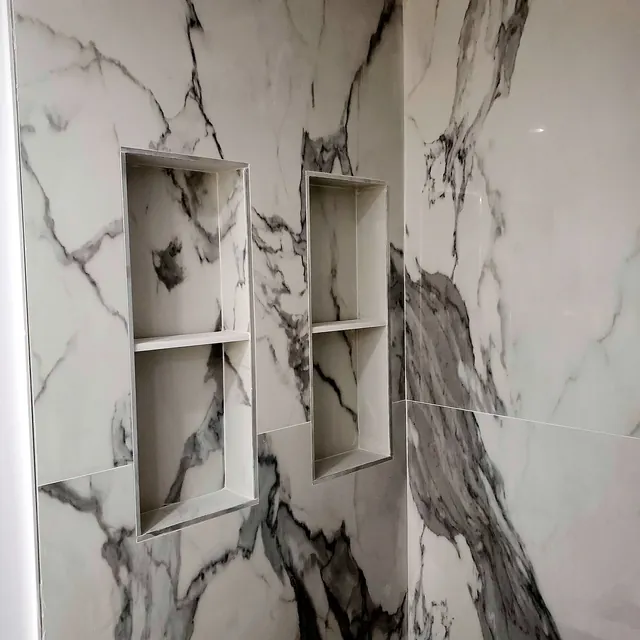 Shower projects
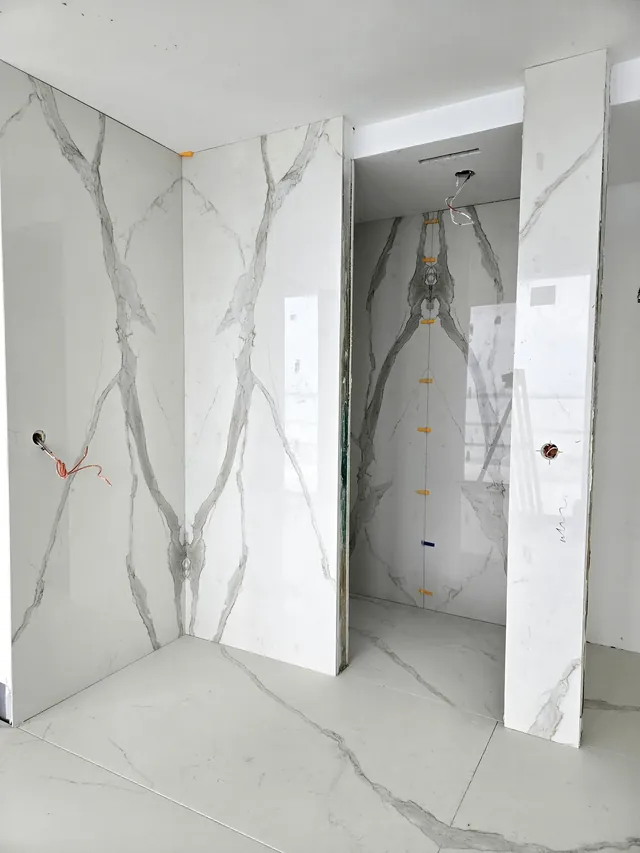 Floor projects
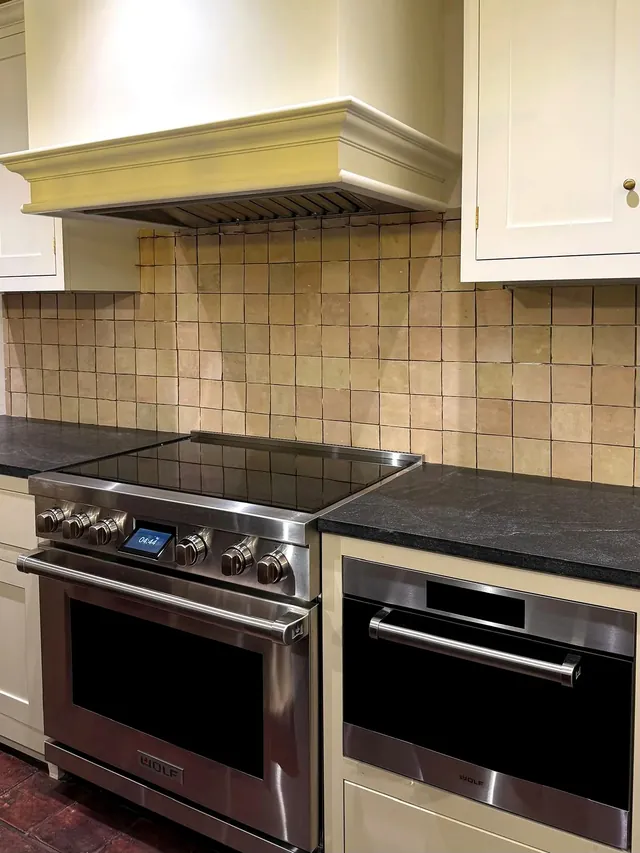 Backsplash projects